• The forum upgrades have been completed. These were moderate security fixes from our software vendor and it looks like everything is working well. If you see any problems please post in the Forum Technical Support forum or email us at forum_moderator (at) aawforum.org. Thank you
  • February 2026 Turning Challenge: Cookie Jar! (click here for details)
  • Congratulations to Matt Carvalho for "Red Mallee Folded Form" being selected as Turning of the Week for February 9, 2026 (click here for details)
  • AAW Symposium demonstrators announced - If the 2026 AAW International Woodturning Symposium is not on your calendar, now is the time to register. And there are discounts available if you sign up early, by Feb. 28. Early Bird pricing gives you the best rate for our 40th Anniversary Symposium in Raleigh, North Carolina, June 4–7, 2026. (There are discounts for AAW chapter members too) For more information vist the discussion thread here or the AAW registration page
  • Welcome new registering member. Your username must be your real First and Last name (for example: John Doe). "Screen names" and "handles" are not allowed and your registration will be deleted if you don't use your real name. Also, do not use all caps nor all lower case.

He Makana

Emiliano Achaval

Administrator
Staff member
Beta Tester
TOTW Team
Joined
Dec 14, 2015
Messages
3,374
Likes
4,710
Location
Maui, Hawaii
Website
hawaiiankoaturner.com
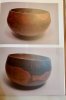
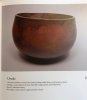
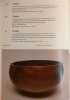
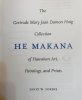
In the Hawaiian language He Makana means A Gift. My wife's auntie Gertrude Mary Joan Damon Haig left an amazing collection of art of old Hawaii, included priceless paintings, Ni'ihau shell leis, feather work and a few precontact calabashes. I took some pictures of the book made for the inaugural exhibit in 2013 at the Hawaii State Art Museum. She donated her entire collection to the museum for the people of Hawaii.
For those interested in reproducing the Hawaiian calabash, this is it, the real deal.
 

Attachments

  • IMG_6521.jpg
    IMG_6521.jpg
    286.9 KB · Views: 56
  • IMG_0546.jpg
    IMG_0546.jpg
    231.5 KB · Views: 55
  • IMG_4911.jpg
    IMG_4911.jpg
    274.3 KB · Views: 57
  • joan1.JPG
    joan1.JPG
    254.7 KB · Views: 56
Do you know the historical context that gave an advantage to rounded bottoms?

I think that the answer would be more easily identified if we rephrase the question to ask what factors brought about flat bottoms on bowls. The answer probably is connected to the advent of flat surfaces for the average person ... what we would call tables on which to sit the bowls. Otherwise, there isn't any benefit to a flat bottom as opposed to having an ergonomically curved bottom that fits your hand or lap or the ground. It's certainly easier to make a bowl with a curved bottom and in many cases gourds were used.
 
Do you know the historical context that gave an advantage to rounded bottoms?
One of the reasons was that they would scoop the poi out of the calabash and it will sit back upright again on its own. Also, like Bill said, they ate on the ground, and some of them on the sand by the beach where the round bottom was perfect. They also got their inspiration on the gourds they also used for food and water... I see you guys didn't read my article on the Hawaiian calabash, lol
 
Back
Top