• The forum upgrades have been completed. These were moderate security fixes from our software vendor and it looks like everything is working well. If you see any problems please post in the Forum Technical Support forum or email us at forum_moderator (at) aawforum.org. Thank you
  • Congratulations to Bernie Hyrtzak, People's Choice in the January 2026 Turning Challenge (click here for details)
  • Congratulations to Matt Carvalho for "Red Mallee Folded Form" being selected as Turning of the Week for February 9, 2026 (click here for details)
  • AAW Symposium demonstrators announced - If the 2026 AAW International Woodturning Symposium is not on your calendar, now is the time to register. And there are discounts available if you sign up early, by Feb. 28. Early Bird pricing gives you the best rate for our 40th Anniversary Symposium in Raleigh, North Carolina, June 4–7, 2026. (There are discounts for AAW chapter members too) For more information vist the discussion thread here or the AAW registration page
  • Welcome new registering member. Your username must be your real First and Last name (for example: John Doe). "Screen names" and "handles" are not allowed and your registration will be deleted if you don't use your real name. Also, do not use all caps nor all lower case.

Waterlox on cottonwood?h

Having to use six and more coats to get a nice lustre. Is this right?

It could be about right. I usually do at least four coats on most pieces. The buff with the Beal system.
We don't have cottonwood here but I have an impression that it is a bit soft an porous so the finish will build up more slowly.

Using a thin shellac as a sealer lets the waterlox build up faster.

I also have been using odes oil on small bowls after 1 or two coats of waterlox.
The odes gives a soft luster.

Waterlox is my favorite finish unless I want to keep white wood white.
Waterlox gives a slight Amber cast to the wood but it colors the wood much less than most tung oil based products.

Al
 
Cottonwood

Cottonwood is a very soft, very porous wood that sucks in finishes like A sponge. It is difficult to cut cleanly and difficult to get a good finish. I have stopped using it, I don't feel it's worth the effort.
 
Cottonwood is a very soft, very porous wood that sucks in finishes like A sponge. It is difficult to cut cleanly and difficult to get a good finish. I have stopped using it, I don't feel it's worth the effort.
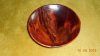
I has tremendous crotch figure, that dyes soooo well, Yes hard to finish. I use 3+ coats of 1# sanding sealer after the dye, then 1-4 coats of danish oil til amount of shine I want.
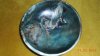
I just finished a smallish poplar (similar to cottonwood) that a friend grabbed from her neighbor for me. Will try to post. Gretch


DSCN1727.JPGdyed poplar (4) - Copy (1920x1080) (800x450).jpg
 
I has tremendous crotch figure, that dyes soooo well, Yes hard to finish. I use 3+ coats of 1# sanding sealer after the dye, then 1-4 coats of danish oil til amount of shine I want.
I just finished a smallish poplar (similar to cottonwood) that a friend grabbed from her neighbor for me. Will try to post. Gretch


View attachment 8972View attachment 8973

Thanks for the info on cottonwood. I've been frustrated at my turning technique and/or sharpening that I can't get a good finish on some cottonwood
pieces but I see it may not be totally on me.
 
I has tremendous crotch figure, that dyes soooo well, Yes hard to finish. I use 3+ coats of 1# sanding sealer after the dye, then 1-4 coats of danish oil til amount of shine I want.
I just finished a smallish poplar (similar to cottonwood) that a friend grabbed from her neighbor for me. Will try to post. Gretch


View attachment 8972View attachment 8973
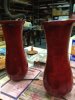
Off the subject, but have you noticed in your dye work that in plain woods (I include Bradford Pear) it will bring out the figure?
1-IMG_0257.JPG
 
Back
Top