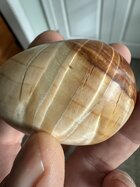
I scored a large birch burl,
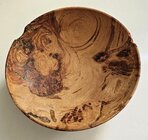
The piece you showed doesn't display much burly figure to me. Cracks generally form along the side grain or radially on end grain. I'm used to burl figure going all different directions, like these:
Cherry, manzanita root burl, white oak.
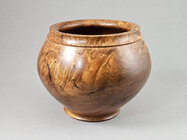
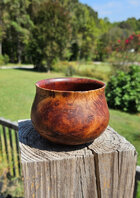
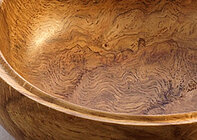
These never crack. I suspect the grain twists and turns so much it inhibits straight cracks from starting and growing.
If wanting to turn dry, storing green wood properly is imperative. Drying wet wood in short log form is generally a waste of good time.
I process wet log sections immediately into reasonable size blanks, paying close attention to the pith juvenile wood, branches/defects, and grain direction, seal well, and air dry before use.
If turning wet from a log, advice from the late, great, other John Jordan": Acquire a long log, store off the ground in the shade. When ready to turn cut and throw away 6" off the end of the log, cut a blank, and turn immediately to final thickness. If stopping for a lunch break, spritz with water and cover with plastic.
However, I never turn burl or other wood until it's completely dry. I don't core or rough turn - I seal the entire outside surface of solid figured/burled chunks, then air dry the solid blank on the shelf in my climate-controlled shop on a wire shelf with plenty of natural air circulation I track dryness by weight.. This is not quick - I have some that took over 10 years to dry. But with plenty of wood on hand patience is easy.
If any external cracks develop in any blanks, straight or burled, I cut them away and reseal. This often fixes the blank since the initial moisture gradient and drying rate at the surface can create a lot of stress and checks/cracks. I use thickened Anchorseal never straight from the can. I would rather have smaller blanks with no cracks than larger cracked blanks. I can be happy turning small things.
I don't leave cracks in the piece or fill them with resin or anything else. Micro cracks or chips in dry wood can be filled and made invisible with a CA/sanding technique. Pieces with bigger cracks are dog toys, yard decorations, firewood, or teaching aids.
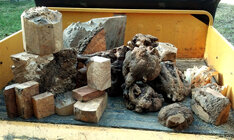
Photo from 11 years ago of a few pieces of my burled wood, now drying or dried:
But while I love figured/burled wood, keep in mind that 100 years from almost now all wood will be black. Form is everything.
Remember the woodturner's insult: when shown a piece with questionable form,turning/sanding/finish defects simply smile and say "My, what beautiful wood!"

But to be fair, those whose goal is to make money by selling things often have a different attitude about wood figure - what sells quickest for the most money is an important consideration. The public is certainly attracted to figured wood!
JKJ