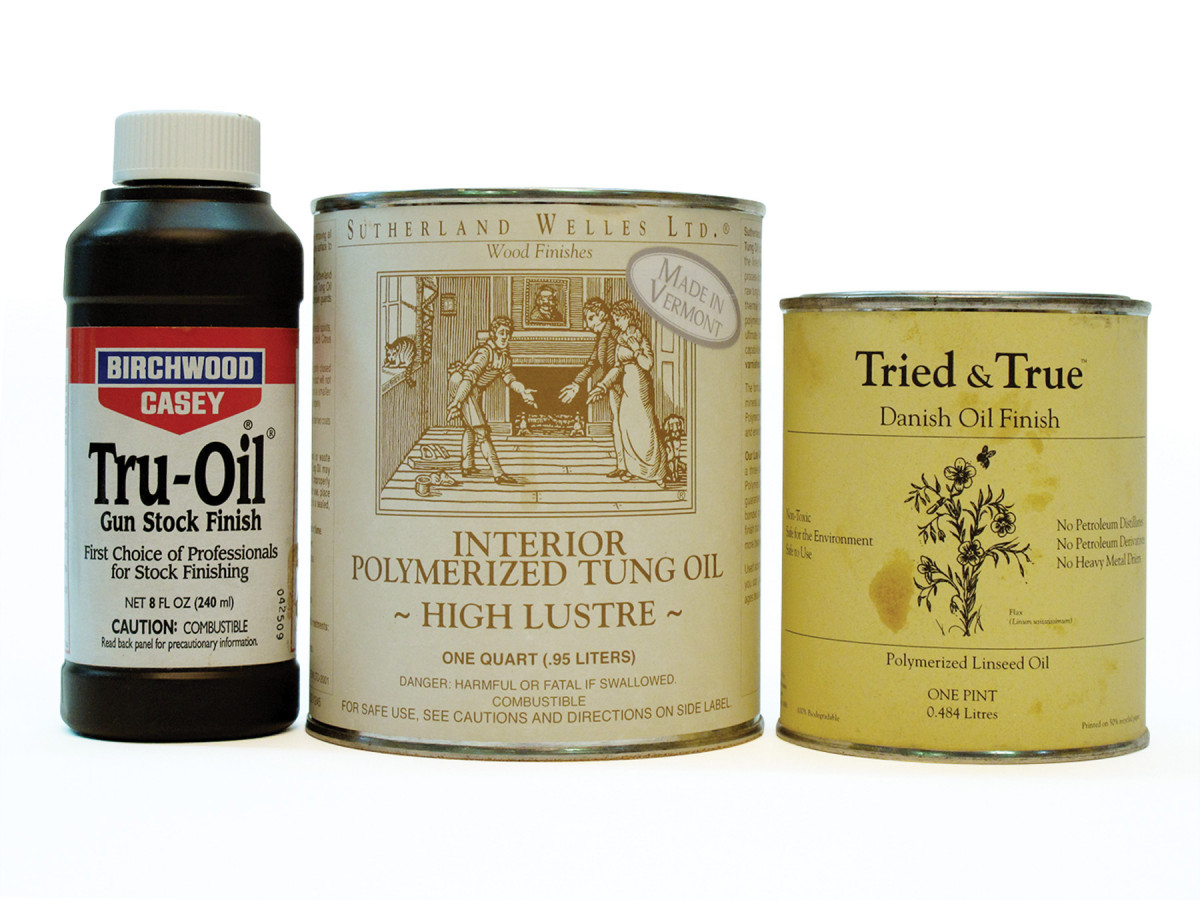
Yes, mixing regular poly or spar poly varnish with solvent is diluting. It is reducing the amount of solids left after all the solvents have evaporated. Spar varnish diluted with solvent is basically "danish oil" - spar is called a long oil varnish, ie has a higher amount of oil vs resin compared to a regular varnish (most all of them today contain urethanes). We don't know the exact composition of all these different types of varnishes (% of exactly what oil, what resin, what solvent) mfrs are tight lipped about it, the %'s in product, technical or safety data sheets are broad (5-20% of x) but generally we can get some idea of what the oil, resins, and solvents are.
For turned items, IMO urethanes in varnish have gotten a mythological bad rap. In flat work, furniture, house trim, etc, relatively thick films of finish are left on the surface, and urethanes can be a bit more cloudy vs the old phenolic and alkyd resins (but urethanes are much tougher). Turned items typically have almost no surface film thickness. Its more of an "in" vs "on" the wood application, and urethane varnishes are great for this. They have a much higher mechanical strength vs any of the oils once cured, which reinforces the strength of the wood.
There is much debate over the oil use in a varnish, mainly linseed vs tung. The moisture resistance of a varnish or oil is a function of the film thickness and bond strength. While tung oil has a slight advantage over linseed, once resins are in the mix (a varnish), the bond strength increases dramatically, and any advantage of tung vs linseed pales in comparison to what the resins bring to the party.
Its all in the application of the finish. An oil based varnish can be thinned and treated just like an oil - flood the surface, keep it wet 20-30 min, wipe it off. Apply as many coats as desired in this manner, though a 3rd coat generally won't add much in terms of absorption into the wood. More thin coats are for building film thickness and gloss.
I follow much the same finishing schedule that
@John K Jordan details above, and use Minwax (gasp! cheap junk!) Helmsman Spar varnish semi gloss diluted 1:1 with paint thinner (slightly more volatile vs mineral spirits, which is a bit oilier). I've used many different brands over the years and haven't found any advantage to the more expensive brands, but they do work much the same. I do sand to a higher grit, and take advantage of the "gel" stage of the varnish, working the heavier bodied finish over the surface, then wiping/buffing it off. 1 coat is usually enough, but it's easy to do another if needed.

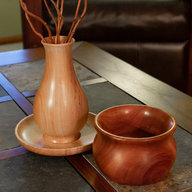
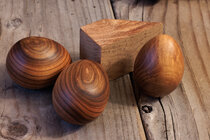
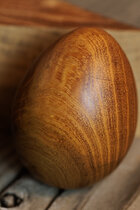
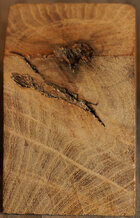
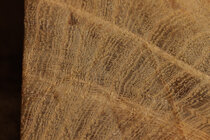
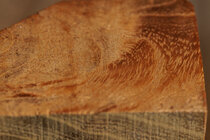
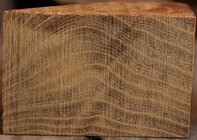
 Hopefully one of you will be able to identify the wood. It is porous, however, I am continuing to sand it...I've been wet sanding with the tung oil. I finished through 800 grit, and I have 1000/1200, 1500, 2000 and 3000 grits as well. It IS getting smoother, and more and more visible (but fine) scratches are being eliminated with each grit. I am hoping by 2000 all visible scratching is totally gone. The wood IS porous, you can see that in the remaining chunk of the wood that is left over after turning the egg. The egg, however, the pores seem to be getting filled in fairly well with the oil-wet sanding.